
Case Study
From Waste to Wealth: Real-Time Clay Detection at a German Lime Plant
Overview
OreScanner is a real-time ore quality measurement system that helps mining and quarrying operations reduce ore waste and improve product quality.
It detects impurities such as clay, MgO, and carbon, or provides limestone quality measurements based on CaCO₃ content — directly on the feed line — enabling operators to take action before the material enters the plant.
This case study shows how a leading lime producer in Germany installed OreScanner to detect clay content in limestone. The system helped recover valuable material, reduce unnecessary waste, and improve process control — without any changes to the existing plant.
The Challenge
At this operation, material was classified using a combination of visual inspection and drill dust analysis from blast holes. These methods were used to decide whether the limestone should go to the kiln or the waste pile.
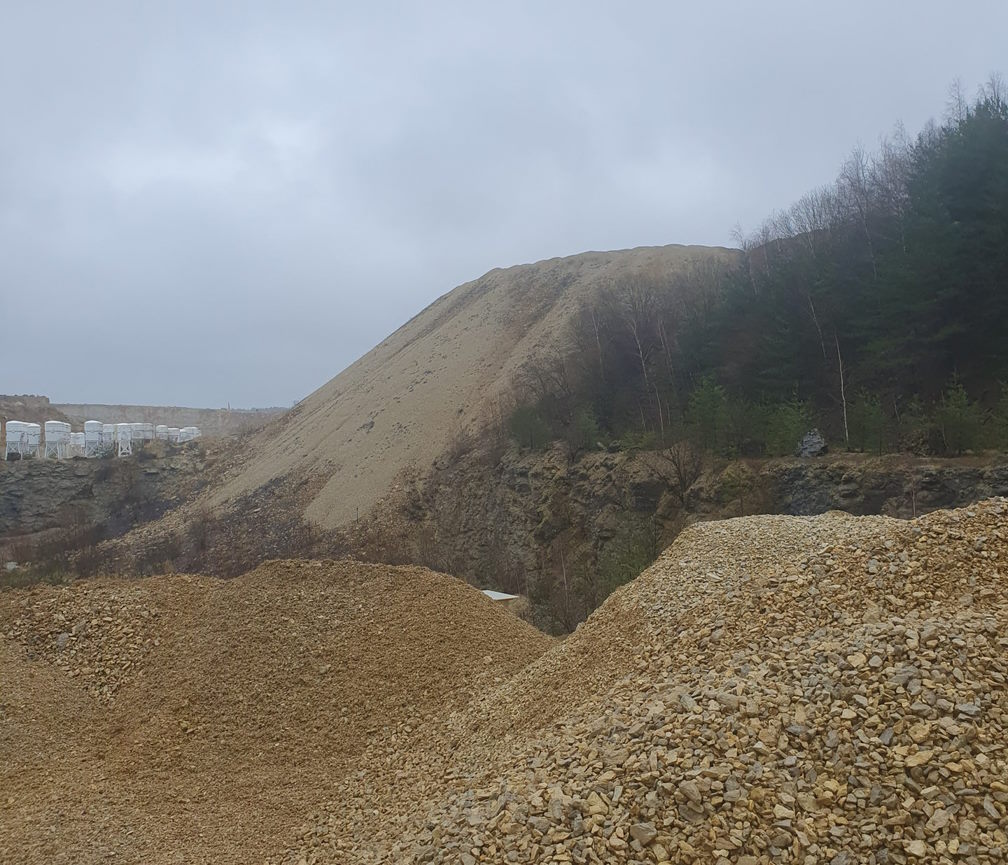
Over time, management noticed that a substantial amount of usable rock was ending up in the waste pile. Limestone with acceptable clay levels was being discarded — along with the fuel, time, and cost spent to extract and transport it.
With each blast, usable limestone was ending up in the waste pile — shrinking profit margins and accelerating waste stockpile growth.
The issue became even more visible when experienced operators were not available. During those shifts, more low-clay material was misclassified and lost. The plant often struggled to keep enough skilled operators on shift, further increasing the risk of material loss and inconsistency.

The Solution
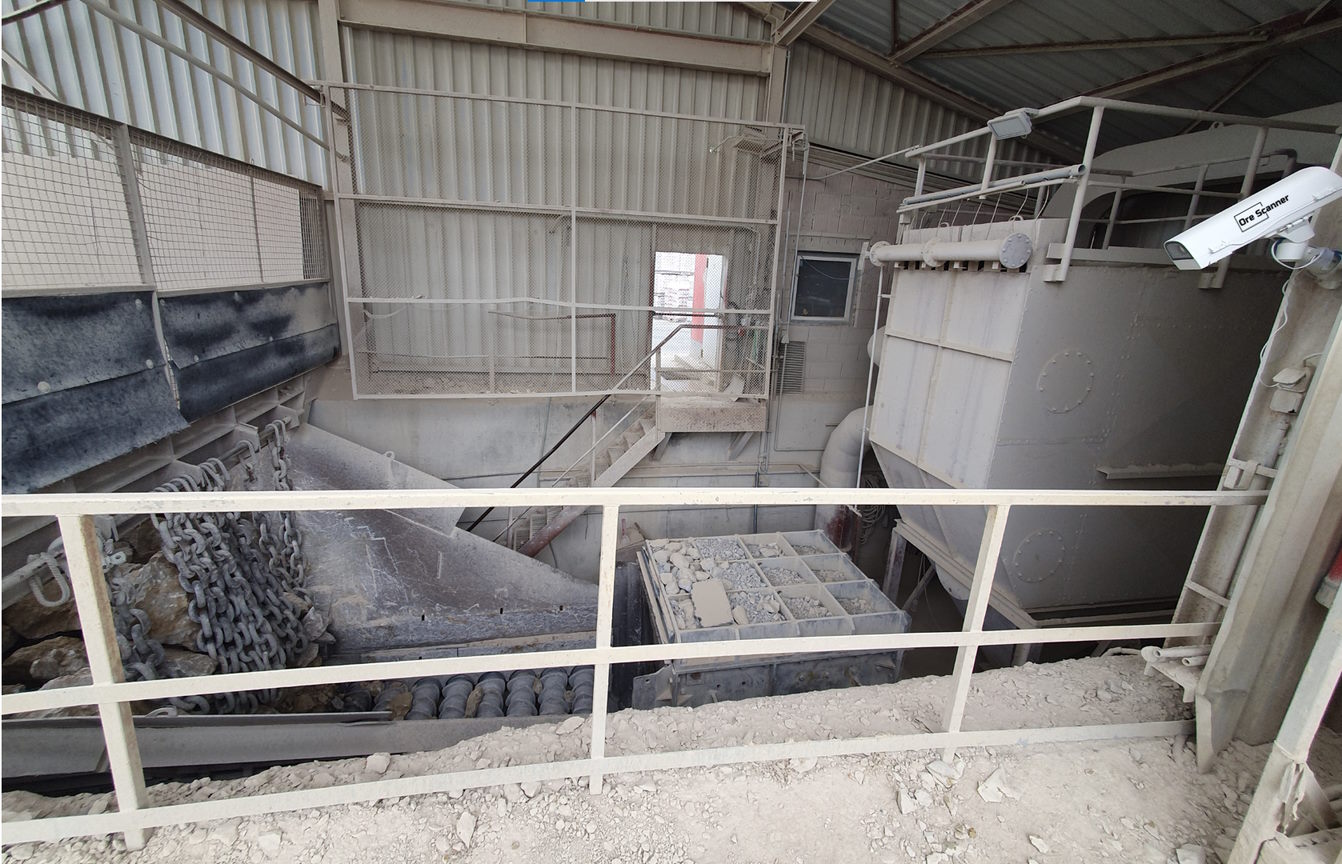
To reduce waste ore generation, the company installed OreScanner above the feeder to the primary crusher. The system scans the limestone continuously and calculates the average clay content for each batch.
When the clay level in a batch exceeds the set threshold, the system sends a signal to the PLC to divert it to the waste pile. Material with acceptable clay levels continues to the production silo.
Setup Highlights:- Mounted 8 meters above the belt on an existing canopy beam
- No structural changes or equipment redesign required
- Fully integrated with the plant’s existing PLC and diverter control
Results
- 40% reduction in misclassified waste
Significantly more limestone with acceptable clay levels was recovered and processed. - Fewer operators needed
The system made sorting decisions automatically, reducing reliance on visual inspection. - Immediate impact
Recovery improved from day one, with saleable material diverted from waste.We recovered saleable rock from day one — and freed the control room team for higher-value work.— Lime Plant Operations Manager
Benefits to the Operation
| Long-Term Impact | Benefit |
|---|---|
| More Saleable Tons | Consistent recovery of valuable limestone from each blast |
| Extended Quarry Life | Reduced waste extends the usable life of the deposit |
| Lower Operating Costs | Less rehandling, lower fuel use, and fewer hours spent on inspection |
| Less Reliance on Skilled Labor | Automation ensures performance even with limited staffing |
Is Your Waste Pile Costing You More Than You Think?
Misclassification of mined material doesn’t just lead to material loss — it drives up operating costs, reduces efficiency, and shortens the productive life of your deposit.
What if your plant could recover more valuable ore, reduce rehandling, and cut unnecessary fuel use — all without changing your existing equipment?
If your team is facing growing waste piles, inconsistent visual sorting, or a shortage of experienced operators, it’s worth asking:
Can real-time ore scanning improve your performance where it matters most?
Let’s find out.
See if your operation qualifies for an on-site OreScanner trial.
📩 Contact: info@orescanner.com
🌐 Learn more: www.orescanner.com